How to Prevent Rock Falls on Highways, Tunnels & Hillsides

Rock falls are among the most unpredictable and hazardous threats in highway, tunnel, and hillside construction. A single falling boulder can damage critical infrastructure and endanger lives. As development expands into mountainous terrain, the importance of effective rockfall mitigation has never been greater.
Preventing rock falls goes far beyond installing physical barriers; it requires strategic planning, engineering insight, and advanced protection systems.
This guide explores the root causes of rock falls and introduces proven methods to safeguard infrastructure and lives.
Understanding the Causes of Rock Falls
Before selecting a rockfall protection system, it's essential to understand what triggers these events. Most rock falls result from natural processes or structural disturbances that compromise slope stability.
Common causes include:
Weathering and erosion: Wind, water, and temperature fluctuations gradually weaken rock faces.
Freeze-thaw cycles and rainfall: Water enters cracks, expands as it freezes, and loosens rocks.
Seismic activity: Earthquakes and tremors can dislodge rocks from fractured surfaces.
Construction vibrations: Blasting, drilling, or heavy machinery can disturb unstable rock masses.
Bare, steep slopes: Areas without vegetation often lack natural stability.
Once these risks are identified, appropriate mitigation techniques can be applied to manage or eliminate the danger.
5 Proven Techniques to Prevent Rock Falls
Here are five of the most effective rockfall control systems used to protect roads, tunnels, and steep slopes:
1. Rock Netting (Slope Protection)
Steel wire mesh is placed over unstable rock surfaces to hold debris in place and prevent it from falling onto infrastructure. This is a fast, efficient method for covering high-risk slopes.
2. Rockfall Barrier Systems
Installed at the base of slopes, these barriers intercept falling rocks before they reach critical zones. They vary in height and impact resistance based on expected rockfall energy.
3. Drapery Systems
Flexible mesh nets draped from the top of a slope allow rocks to fall in a controlled manner along the face of the slope, guiding debris safely away from roads or tunnels.
4. Anchored Mesh & Rock Bolting
Where rock removal isn't possible, bolting fractured rock in place and securing it with anchored mesh enhances surface stability and reduces movement.
5. Catch Ditches & Diversion Channels
Excavated at the foot of a slope, these structures collect or divert falling debris, working in tandem with other systems to prevent rock accumulation on roads.
Containment vs Diversion: Choosing the Right System
Rockfall protection systems typically fall into two categories:
Containment Systems (e.g., rock netting, anchored mesh): Stabilize or trap unstable rocks in place.
Diversion Systems (e.g., barriers, ditches): Deflect or intercept rocks as they fall.
Most effective projects use a hybrid approach based on site-specific conditions such as slope geometry, rock type, and anticipated rockfall patterns.
Planning a Rockfall Protection Project
To ensure a successful and safe mitigation plan, follow these key steps:
Geotechnical Assessment: Analyze slope angles, rock properties, and weather patterns.
Work with Specialists: Collaborate with experienced engineers to design tailored systems.
Evaluate Long-Term Risks: Choose solutions that require minimal upkeep and offer long-term performance.
Consider Road Use & Safety Zones: Protect both workers and future users of the infrastructure.
Optimize Your Budget: Focus on overall value and durability — not just upfront cost.
A well-planned system not only prevents disasters but also ensures cost-effective maintenance and improved safety for years.
Recommended Reads
Effective Soil Nailing Techniques for Ground Stability and Reinforcement
Soil Nailing and Geotechnical Design: A Solution for Stability
Keeping Slopes Safe: Types, Benefits, and Best Practices for Rockfall Protection Systems
Choosing the Right Soil Nailing Contractor: What to Look For
Soil Nailing Process – A Detailed Overview of Soil Stabilization
How Savinaya Infratech Can Help?
As a trusted rockfall protection company, Savinaya Infratech specializes in designing and delivering custom-engineered solutions that meet the highest safety standards.
We offer:
Tailored rockfall mitigation plans for highways, tunnels, and slopes
Turnkey project management from site assessment to final installation
High-performance materials, including advanced mesh, barriers, and anchors
Skilled execution with a focus on precision, durability, and safety
Long-term support with inspections and maintenance services
Whether your site demands containment, diversion, or a combination of systems, we bring the tools and expertise to deliver results that last
Conclusion- -
While rock falls are natural, they are also preventable. With the right planning, design, and protection systems, infrastructure in mountainous regions can be made safe and resilient.
From slope netting to high-energy barriers, modern solutions are proactive — not reactive. If you’re ready to safeguard your project from rockfall risks, partner with experts who understand the terrain and the technology.
Build Safer Roads, Tunnels & Hillsides with Savinaya Infratech
Start your project with confidence. We deliver smart, reliable, and long-lasting rockfall protection solutions tailored to your unique site conditions.
Contact us today to discuss your project needs and discover how we can help you build safely, now and into the future.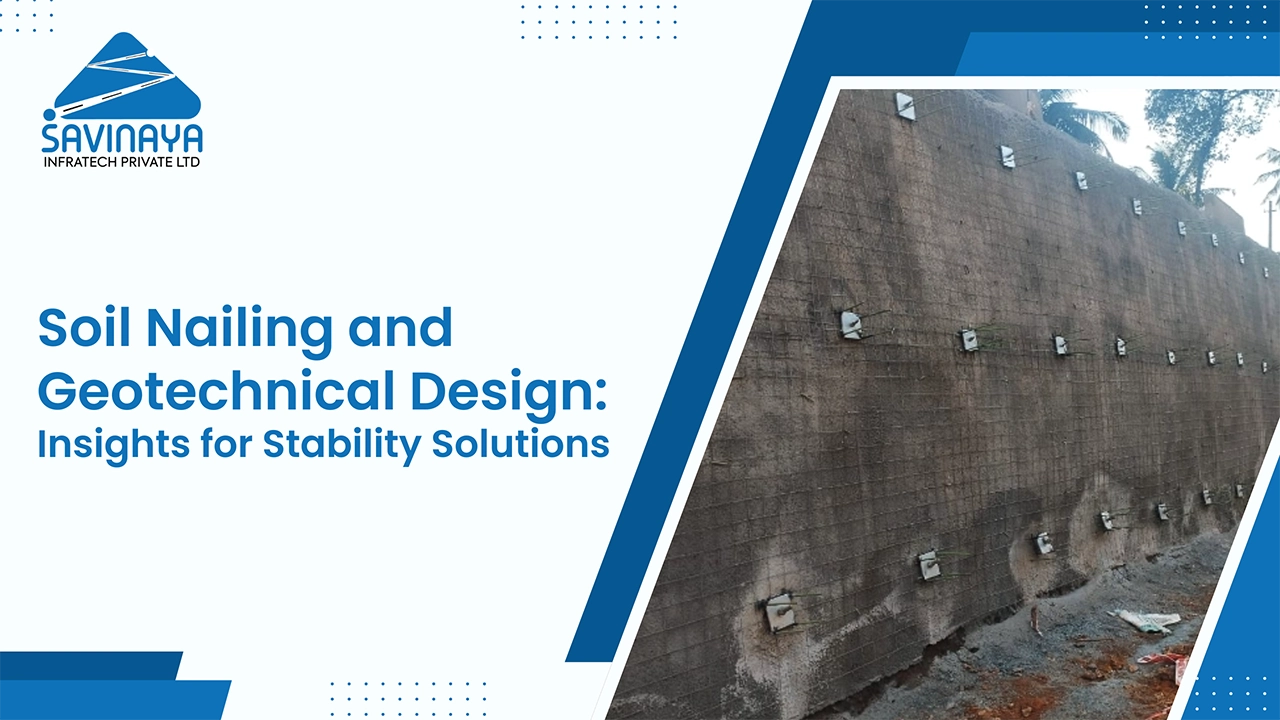

Comments
Post a Comment